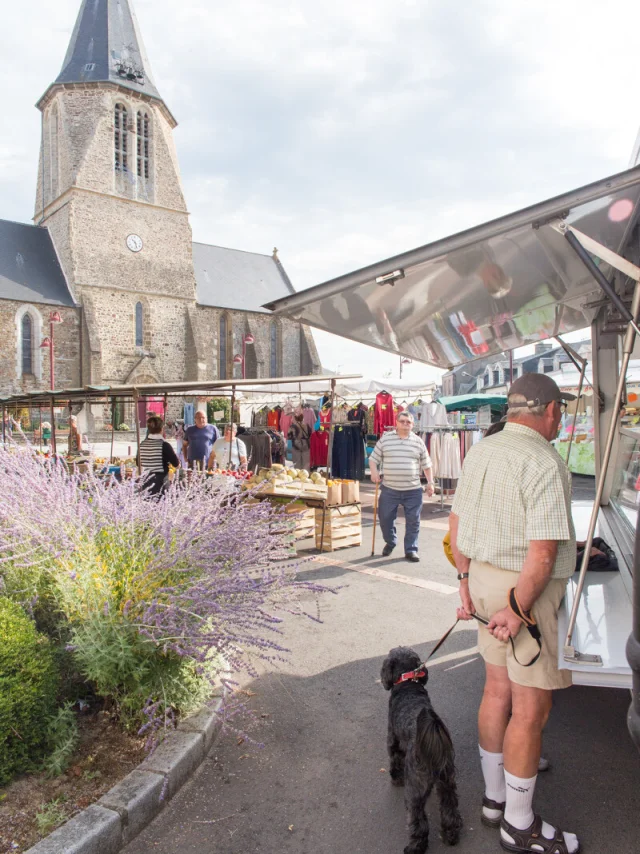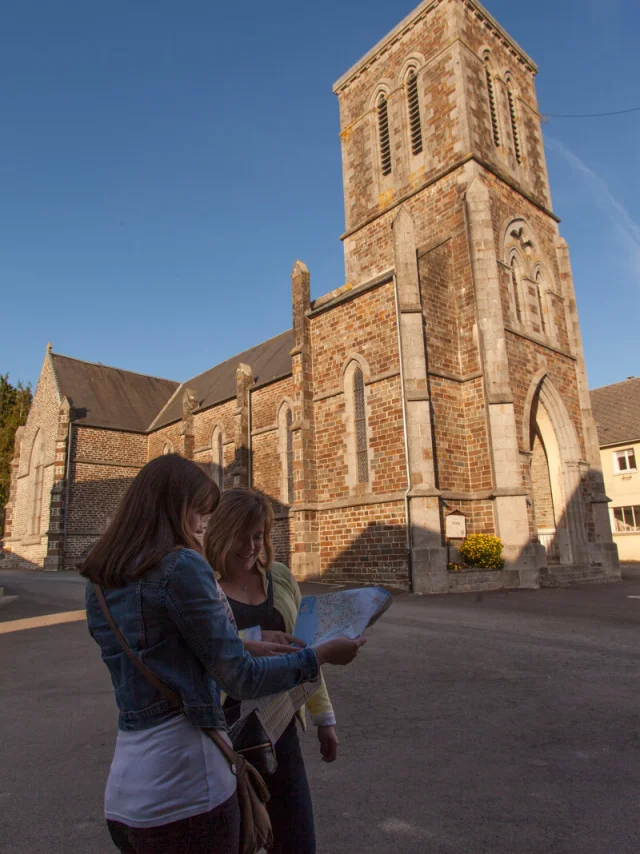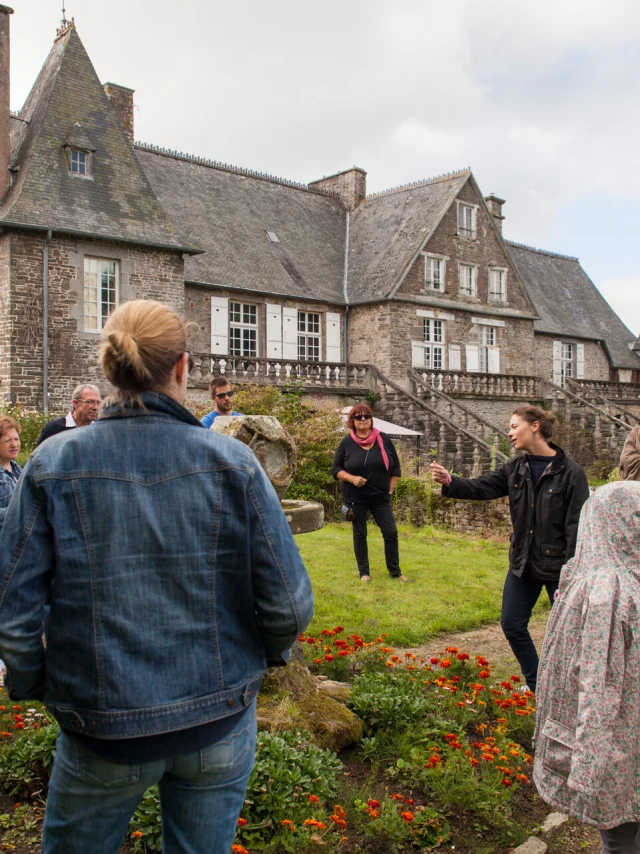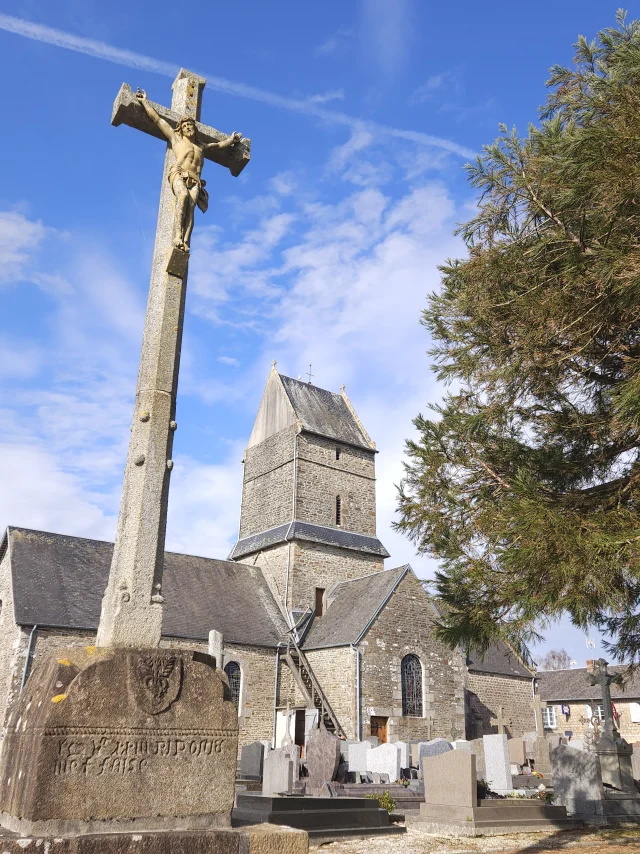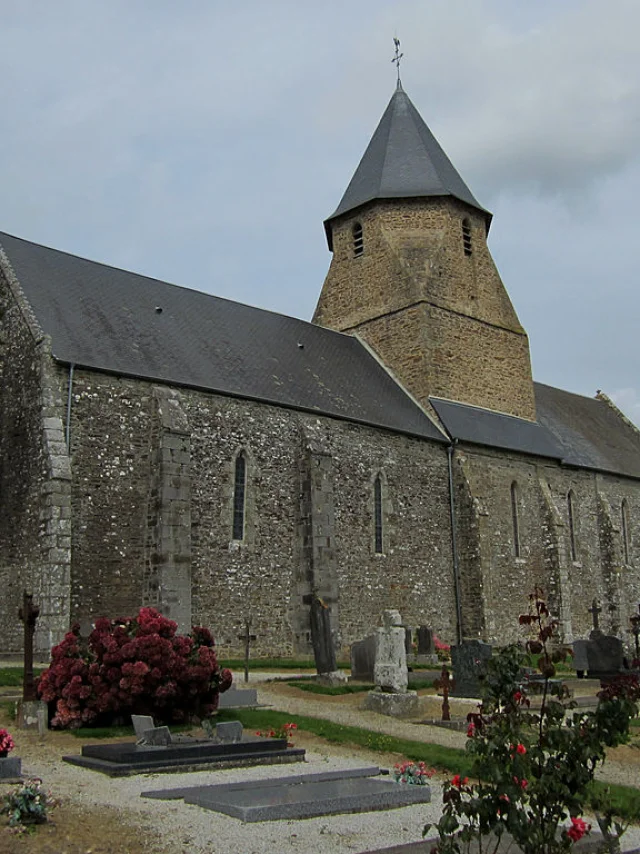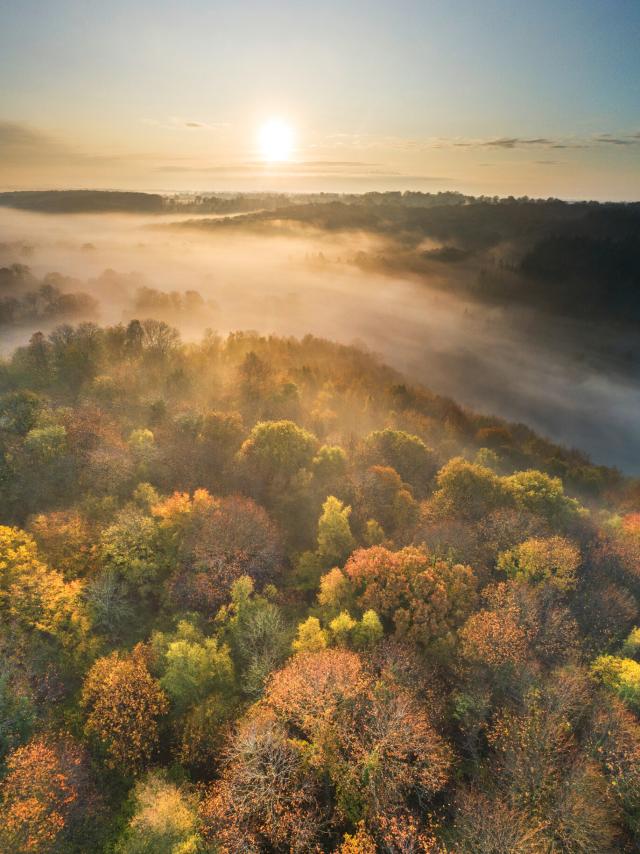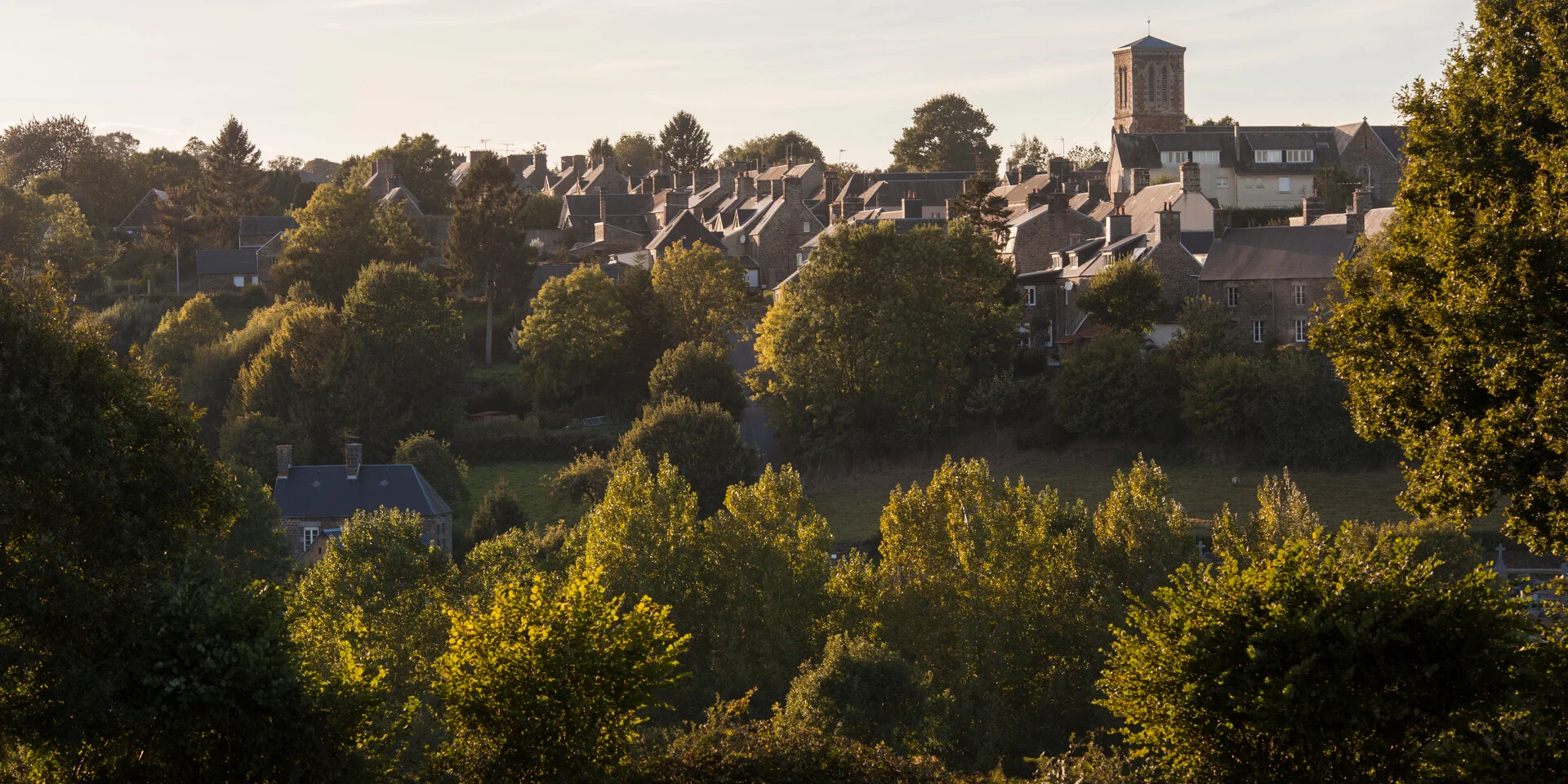
THE VILLAGE OF BEAUCHAMPS AND ITS CHURCH. BEAUCHAMPS, NORMANDY, FRANCE. OCTOBER 2016.THE VILLAGE OF BEAUCHAMPS AND ITS CHURCH. BEAUCHAMPS, NORMANDY, FRANCE. OCTOBER 2016.
©THE VILLAGE OF BEAUCHAMPS AND ITS CHURCH. BEAUCHAMPS, NORMANDY, FRANCE. OCTOBER 2016.|Photographer: THOMAS JOUANNEAU
Discoverof our region's Heritage Villages

The Destination’s Heritage Villages

Created in 2003 on the initiative of the Pays de la Baie du Mont Saint-Michel, the Village Patrimoine label is awarded to rural communities committed to enhancing their heritage. Granville Terre et Mer has 10 villages with the Village Patrimoine label.

The history of the label

The idea for the Village Patrimoine label came from Willy Missonier, head of culture and heritage for the Pays de la Baie du Mont Saint-Michel. With this new label, he wanted to help the smallest communes in his area to recognise and promote their heritage, whether tangible or intangible. Already at that time, a strong place was given to the local people: as the direct heirs of this heritage, they also had a duty to be its main players, as its bearers and disseminators. The label quickly gained momentum. In the space of three years, 23 villages in Sud-Manche joined the scheme. And in 2009, the label was exported to the north of France with the first Villages Patrimoine in Nord-Pas-de-Calais: the label became national. Despite the upheavals caused by the 2013 and 2015 territorial laws, the association has held firm and continues to incorporate new villages into its movement. And in 2019, the Association Nationale Village Patrimoine (ANaVP) was created: it obtained legal status the following year with the registration of the officially protected “Village Patrimoine” trademark.
Six

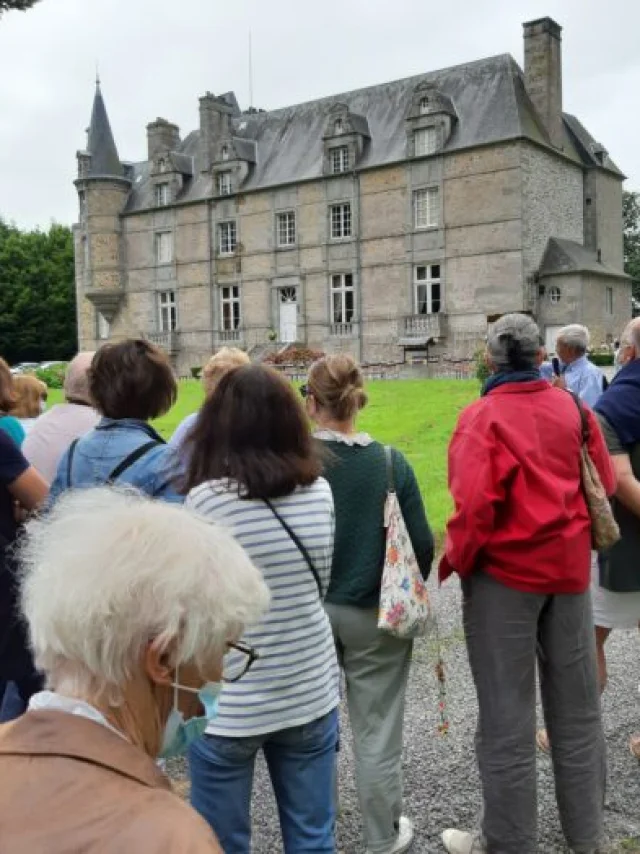
Today, 62 communes with fewer than 2,500 inhabitants have been awarded the “Village Patrimoine” label in France. Each commune is awarded the label for a period of five years. During this period, they must follow six specific “golden rules”: – Promote the area’s heritage identity by creating a discovery trail, guided tours, activities, etc. – Have a village festival or activity linked to the area’s traditions that helps to revitalise local life; – Have one or more volunteer village guides, committed to sharing the stories of their village: This is part of the Village Patrimoine initiative to involve local residents in preserving and promoting their rural heritage.To preserve the coherence and harmony of the village’s architecture and landscape; – To open the church or any other place of worship to guided or self-guided visitsPromote the heritage through coherent development of the commune’s landscapes.

The Heritage Villages of Granville Terre et Mer

Of the 62 towns and villages awarded the national label, 10 are located in Granville Terre et Mer. Each of them is distinguished by its environment and way of life, with a unique tangible and intangible heritage that gives it this unique heritage character.

Beauchamps

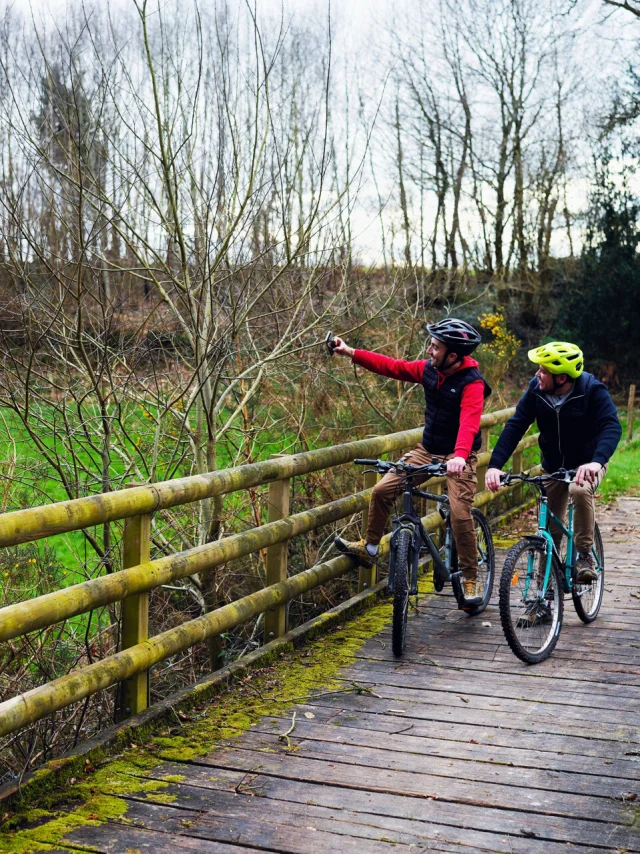
Well-known to walkers for the quality of its bucolic paths, the small commune of Beauchamps is located at the eastern end of the Destination. Nestling in the Airou valley, it boasts a bocage landscape rich in diverse flora and fauna. Its place in history is not insignificant either: the village is notably the cradle of the Anglo-Norman Beauchamp lineage, whose most eminent representatives became Earls of Warwick or Worcester, in England. Last but not least, the town boasts a dynamic commercial and community life. The annual Saint-Georges festival and the May 1st garage sale are also not-to-be-missed events for residents and visitors alike.

Cérences

With the river Sienne running through it, Cérences, the largest commune in Granville Terre et Mer, offers a highly diverse landscape, which walkers can discover thanks to the many paths available. Its historical heritage, particularly its ecclesiastical buildings, is also worthy of note. Notre-Dame church, at the heart of the town centre, boasts remarkable eclectic architecture and a wealth of statuary, the oldest example of which dates back to 1507. The town is punctuated by cultural and sporting events, and boasts a very active community life and a welcome service for new arrivals, giving it a warm and friendly character.

Champeaux

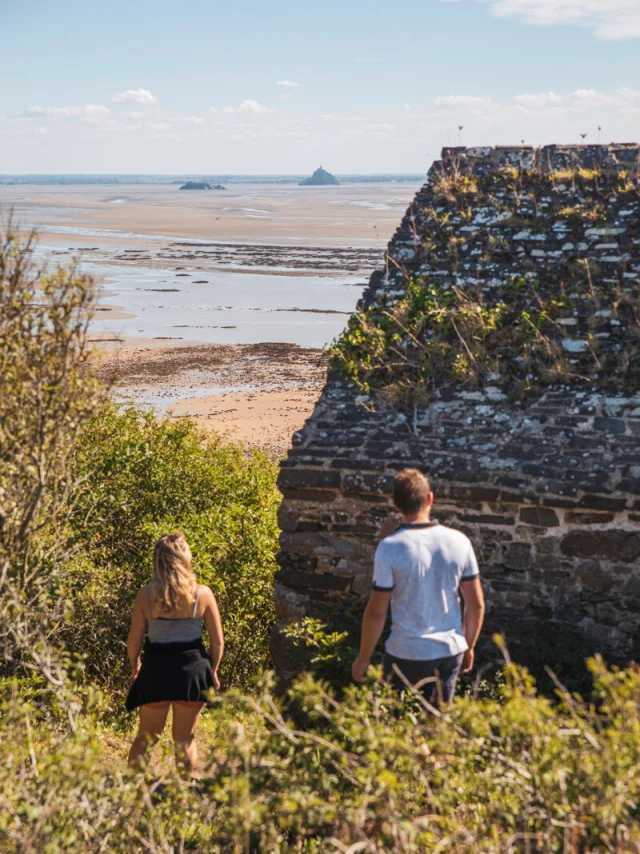
Champeaux is the latest addition to the list of villages to have been awarded the region’s “label”, and is perched on cliffs that have been classified asa “Natura 2000”,“remarkable and picturesque site” and“Conservatoire du Littoral pre-emption zone“. The small Vauban hut, the remains of the 12th-century fisheries and the immense Hermelles reef at the foot of the rocks complete this exceptional natural site. The village centre is not to be outdone either: organised around a central crossroads, the church of Saint-Vigor, the former presbytery, now a gîte, and the former school, now the town hall, give rhythm to the life of the village. And the Café du Village regularly hosts a number of events in partnership with the Comité des Fêfestiv’automne” market, a “bourg-dinette” and a beer festival.

Equilly

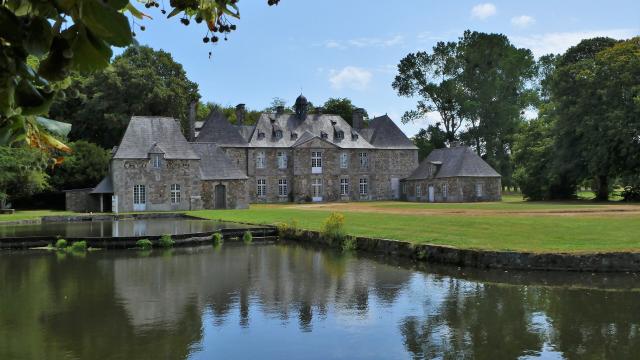
29 villages and hamlets are spread over the 600 hectares of Equilly, with the village centre. The rural setting in which the inhabitants live bears witness to the peacefulness of the area, with the presence of a few narrow lanes hidden by hedges and woods. The heart of the village itself is not very large, but features a number of buildings of major interest. The church of Sainte-Anne, in particular, is built in a typical 17th-century architectural style. And the Logis d’Equilly is a superb example of a historic residence known as the ” Granvilli&egrave ;re” . In addition to offering self-catering accommodation to visitors from near and far, the Logis d’Equilly hosts a number of events throughout the year. It is also regularly open to visitors, particularly during the Normandy festival Pierres en Lumières.

Folligny

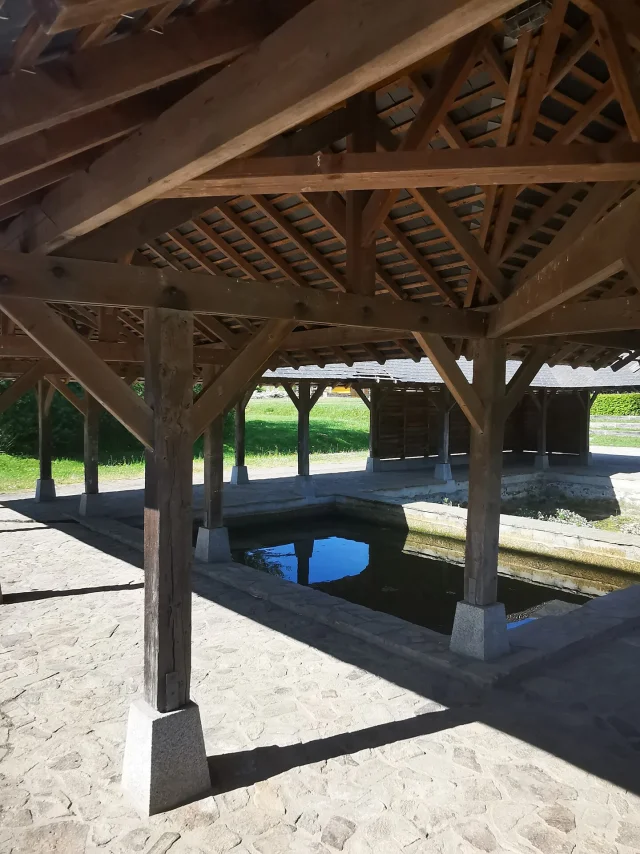
Situated to the east of Granville Terre et Mer, Follignyis a village deeply rooted in the area’s military history. The village’s railway station and the fortified underground layout that surrounds it bear witness to this past. This“Py Park” is still open to visitors today. As well as these remains, Folligny and its two associated villages, La Beslière and Le Mesnil-Drey, have many other treasures to offer. In particular, the three village churches show great architectural diversity. The old wash-house in the village centre, a social meeting place until the mid-twentieth century, is also worth a visit. To get from one village to the next, a number of dirt tracks have been laid out for walkers. And on the Mesnil-Drey road, a huge chestnut tree, listed as a remarkable tree in the Manche region, is a real eye-catcher.

La Meurdraquière

La Meurdraquière is a small, leafy village in the heart of the Destination’s rural area. Here, working the land is a direct legacy of the farming practices of 13th-century families. Louis de Thézy‘s farm, Ferme de la Butte, produces cider based on centuries-old traditional techniques. The local heritage is also showcased through the organisation of numerous local events, including the Saint-Martin festival. The local people are very attached to their traditional festivals, as well as to their built heritage: the church of Saint-Martin, built in the 13th-14th centuries and listed as a Historic Monument in 2005, boasts a recently restored belfry.

La Lucerne d'Outremer

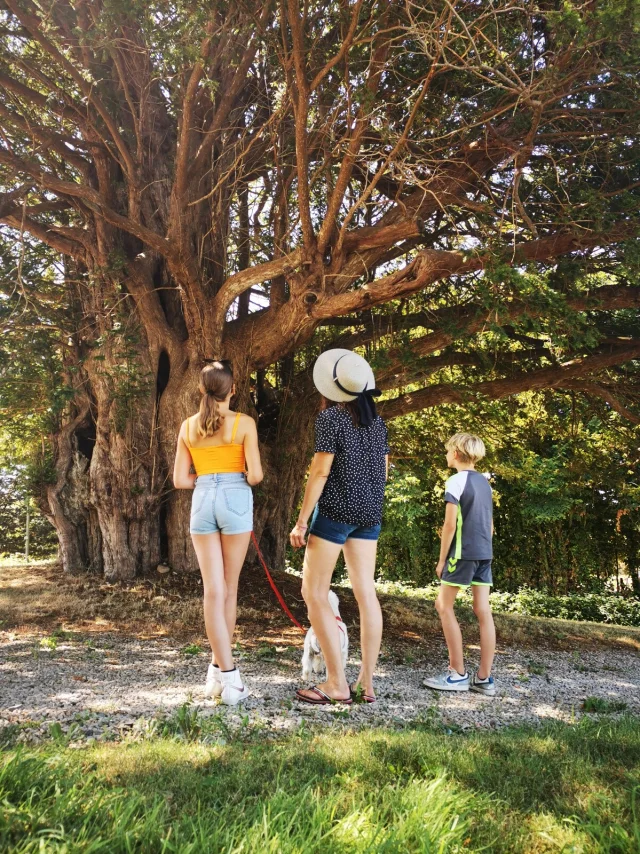
Bordered by the rivers Thar and Allemagne, La Lucerne d’Outremer is a small community with a rich historical and natural heritage. Surrounded by an old forest and young agricultural plains, it attracts many walkers wishing to take advantage of its footpaths. Along the way, walkers can discover the village centre, with its church, the oldest parts of which date back to the 10th century, and the thousand-year-old yew tree at the heart of the village parish enclosure. The summer markets organised every year also enrich their experience. Above all, it’s the abbey, a masterpiece of Norman medieval architecture, that intrigues and attracts visitors. Guided tours, lectures and concerts punctuate the life of this remarkable site.

Le Mesnil-Aubert

At the northern end of the region, Le Mesnil-Aubert boasts an ecclesiastical heritage that is unique within the Destination. Inside the medieval church of Saint-Pierre, a series of perfectly preserved frescoes dating from the 13th to 16th centuries attract experts and enthusiasts of religious heritage every year. The church’s statuary, which is in excellent condition, includes a fine representation of Saint Ortaire, the town’s patron saint. A festival is held in his honour every year at Pentecost. Outside, a thousand-year-old yew tree stands proudly beside the church, attracting the attention of the many walkers who pass through the village. Despite its great age, it remains in excellent health, so much so that it is now listed as a Remarkable Tree of La Manche.

Saint-Planchers

Neighbouring Granville, the commune of Saint-Planchers is much appreciated for its rural character. The hiking trails, regularly developed by the Nature et Loisirs association, are popular with tourists and locals alike. And the village’s farms, a direct legacy of its medieval farming past, are a testament to the area’s economic appeal. The built heritage of Saint-Planchers also tells the story of the village. The four remaining dime barns bear witness to its agricultural past, and the manor house of l’Oiselière, formerly a priory, is a reminder of the area’s political and religious importance in medieval Normandy. Although closed to visitors today, it can still be seen from the lovely Vallée de l’Oiselière walking trail.

Saint-Pierre-Langers

Situated on the south-eastern border of Granville Terre et Mer, Saint-Pierre-Langers makes no secret of its rural character. Right in the heart of the Normandy bocage, this small commune regularly works to preserve its natural environment, maintaining the old hedgerows that still mark the borders of its fields. It also attaches great importance to preserving its buildings: Saint-Pierre church, despite being 900 years old in its oldest parts, still stands proudly in the centre of the village thanks to several restoration projects. And the castle, which has been modified several times over the centuries, continues to tell its own story and that of the village. Two village guides are on hand to share this history with the general public.